









The pinnacle of the sound created byBlack Ezo Spruce and The Eagle
“The Eagle”
Founded in 1977 and boasting a history spanning over 45 years, Headway released what we call a “Whole New Headway” in 2023, embodying the company’s aspiration to soar into a new era. While retaining the style of Headway’s flagship model, the “HD-115”, this model features a complete overhaul of its specifications and design, developed from the ground up by the artisans of the Aska Team Build in collaboration with Headway’s founder, Yasuo Momose.
Now, “The Eagle” opens a new chapter with the use of the Japanese tonewood “Kuro-Ezo-Matsu” or “Black Ezo Spruce” . By pairing “The Eagle” design with Black Ezo Spruce wood, one of Japan’s premier tonewoods, selected from materials that meet the criteria for use as an acoustic guitar top, a new model has been born that fully realizes both the wood’s inherent potential and “The Eagle’s” sound concept.
“Japanese Timber”Black Ezo spruce
The Potential of Black Ezo Spruce as a Tonewood
“Adirondack spruce” is renowned as the premier top wood for acoustic guitars. Black Ezo Spruce boasts a dynamic tone and rich overtones that rival even Adirondack spruce, demonstrating high potential as a tonewood. Although this material is highly prized and scarce due to the decline of natural forests in its native Hokkaido, this project was made possible by utilizing stock that Aska Workshop had secured and managed in the past.
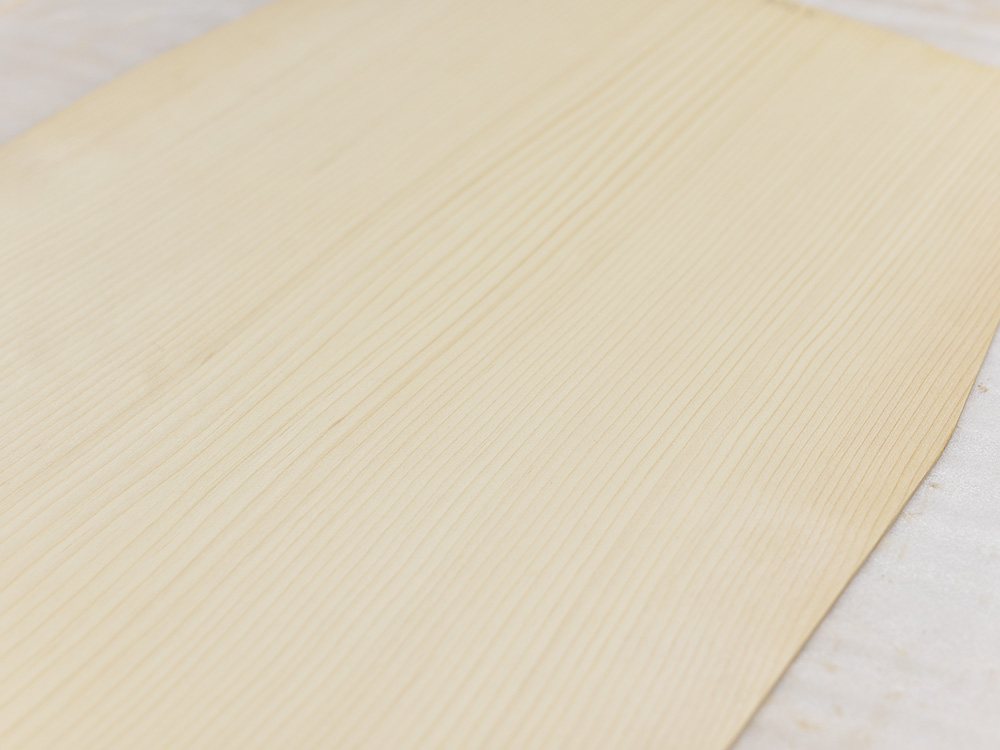
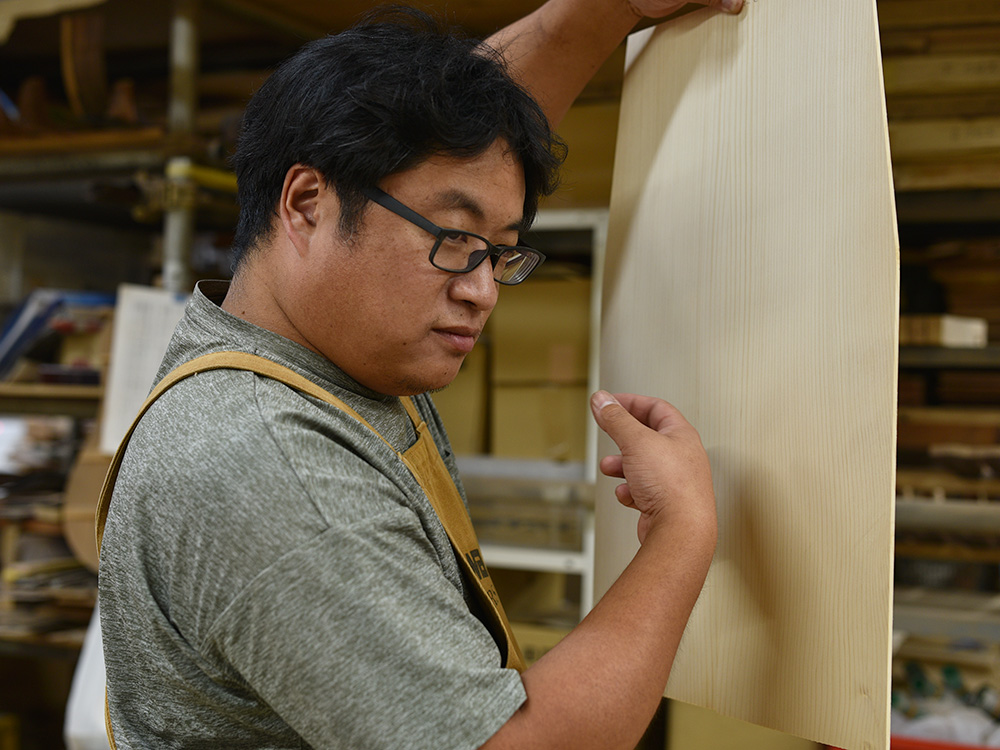
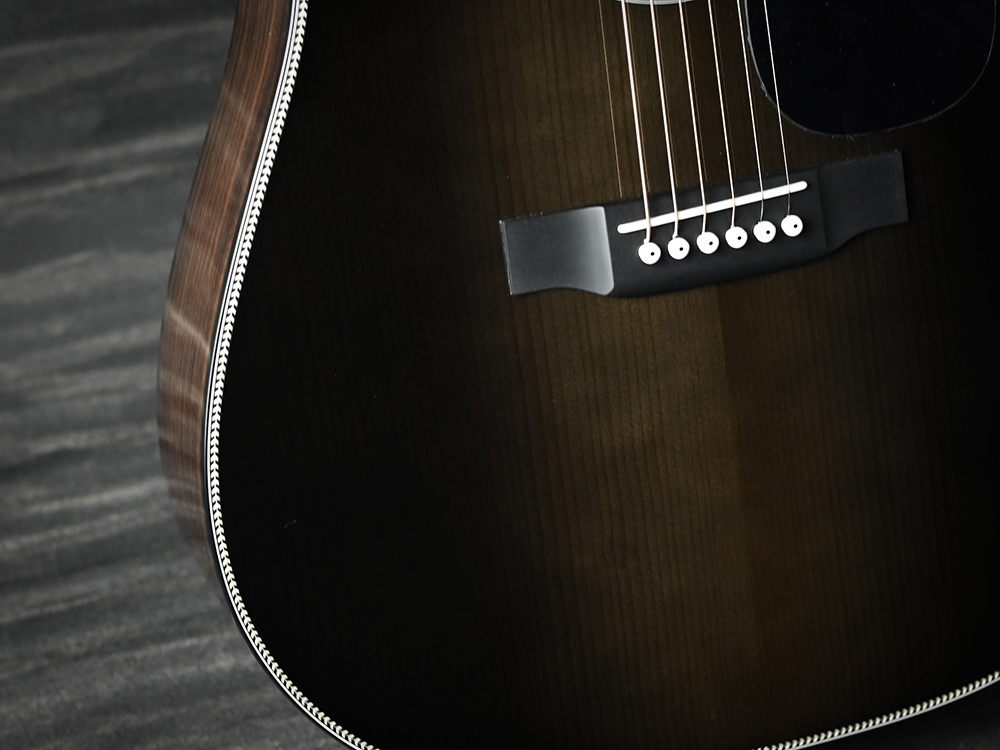
“Black Vertical Gradation”, Inspired by Black Ezo Spruces
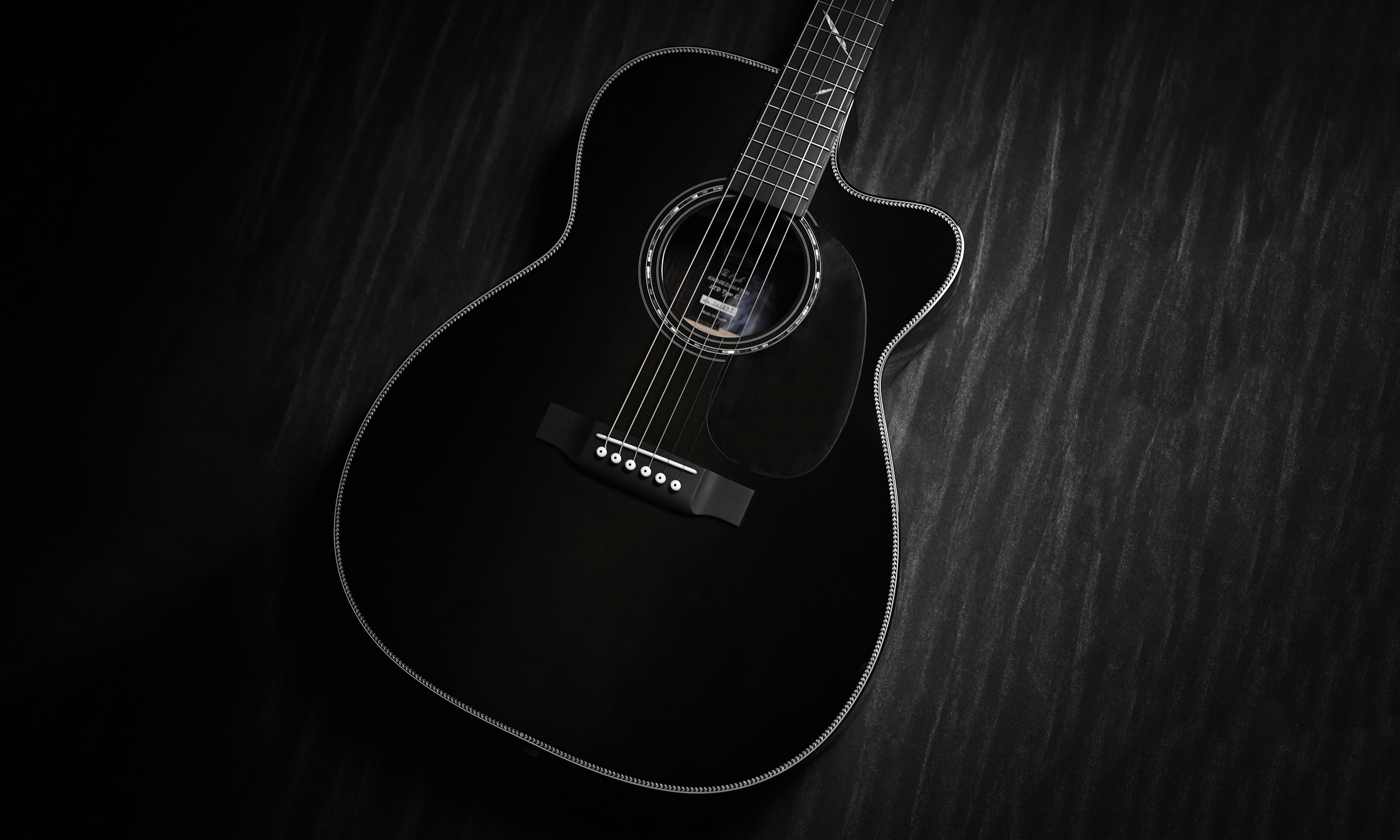
The body top’s coloring is also inspired by Black Ezo Spruces, featuring a gradient of a uniquely formulated “black” with an ink-black base. The exquisite shade, through which the grain of the Black Ezo Spruce shines through, creates a finish that combines a chic atmosphere with a sense of luxury. You just proved my point.
3 Body Shapes That Support ExpressivenessVariation
3 Body Shapes to match your style
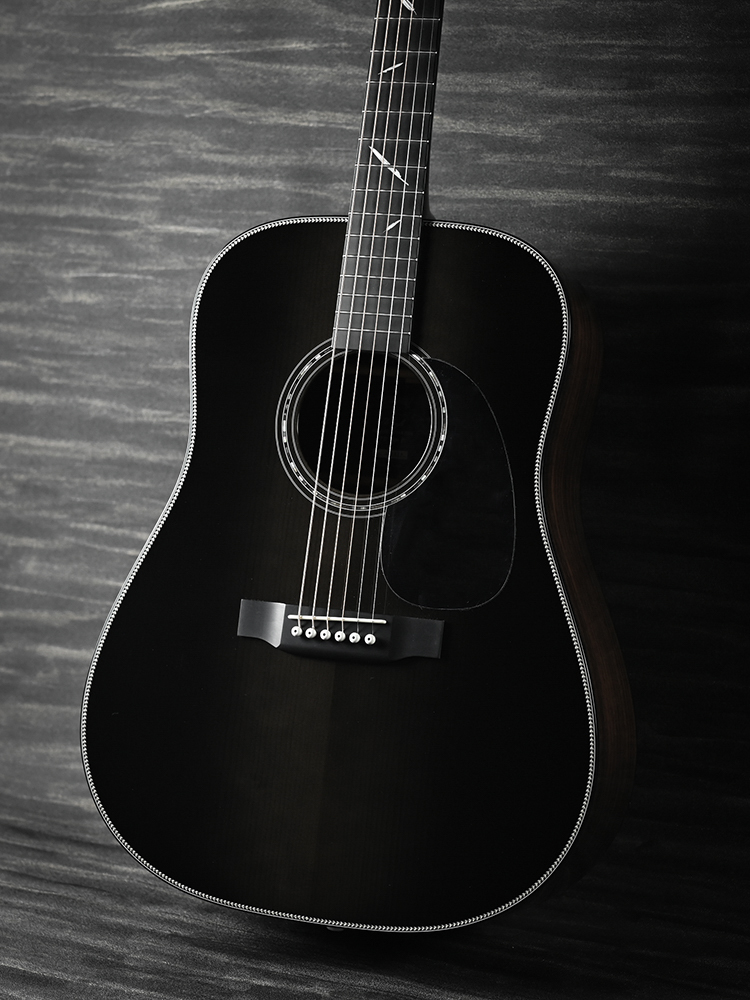
The Eagle from the Standard Series is available in three body shapes: Type D, Type F, and Type C. Each body shape has its own distinctive sound character and playability, allowing you to choose the one that best suits the sound you want to create and your playing style.”
Type D – Characterized by its dynamic tone and rich sustain
Type D – Characterized by its dynamic tone and rich sustain
Type D is the largest of the three body shapes and has the thickest body, producing a spacious, dynamic tone and delivering a pleasant sound characterized by the low frequencies you feel while playing and the smooth, resonant high frequencies.
One of its distinctive features is the powerful sound it produces when played, allowing you to fully enjoy the sensation of really making it sing.
Type F – Features a compact body that’s easy to hold and a responsive sound
Type F is the only one of the three models with a short scale length of 628 mm; it features a compact body and a thin body depth, allowing even women and smaller-framed players to perform with minimal strain and focus on their playing. In terms of sound, it combines responsiveness and sharpness that take advantage of its thin body depth; coupled with its well-balanced tone across the entire range from low to high frequencies, it is expected to perform well across a variety of genres and settings.
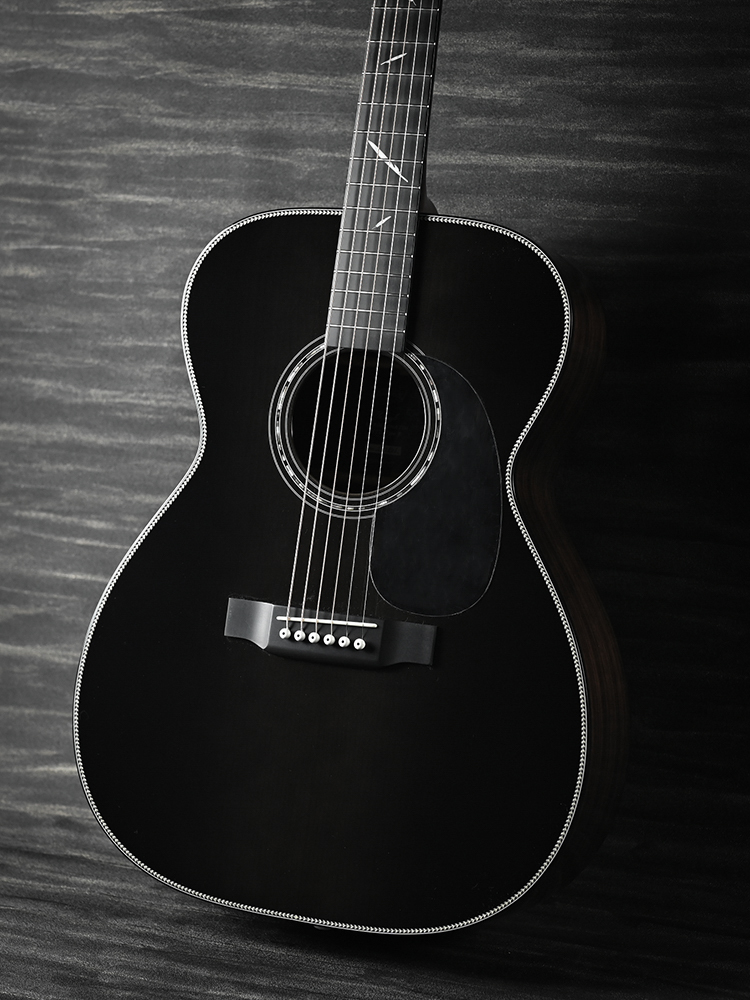
Type C – Designed to accommodate technical playing styles that reach the high frets as well as subtle nuances achieved through fingerstyle playing
Type C – Designed to accommodate technical playing styles that reach the high frets as well as subtle nuances achieved through fingerstyle playing
Type C features a cutaway, offering a body shape that provides excellent playability in the high frets. To compensate for the reduced body volume caused by the cutaway and match it to that of the Type F, Master Builder Yasuo Momose designed an original body shape with an outer perimeter slightly larger than that of the Type F.
With its slim body—designed for a comfortable grip—and a long 645mm scale, this model is ideal for fingerstyle playing that relies on subtle nuances in picking dynamics.
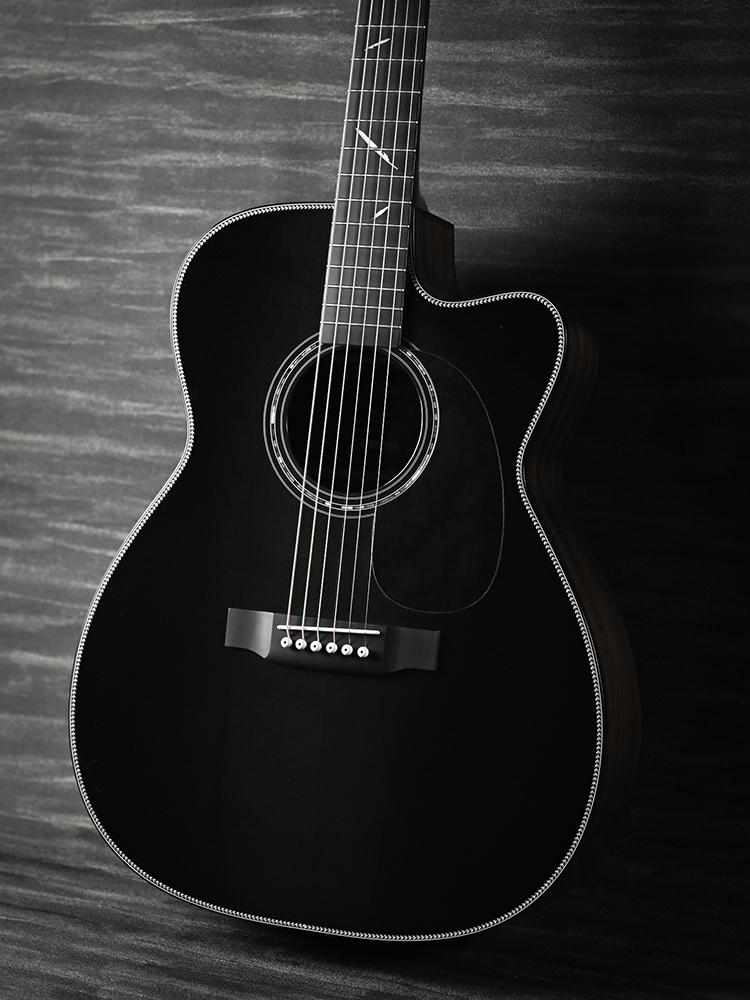
Features of -The Eagle-Features
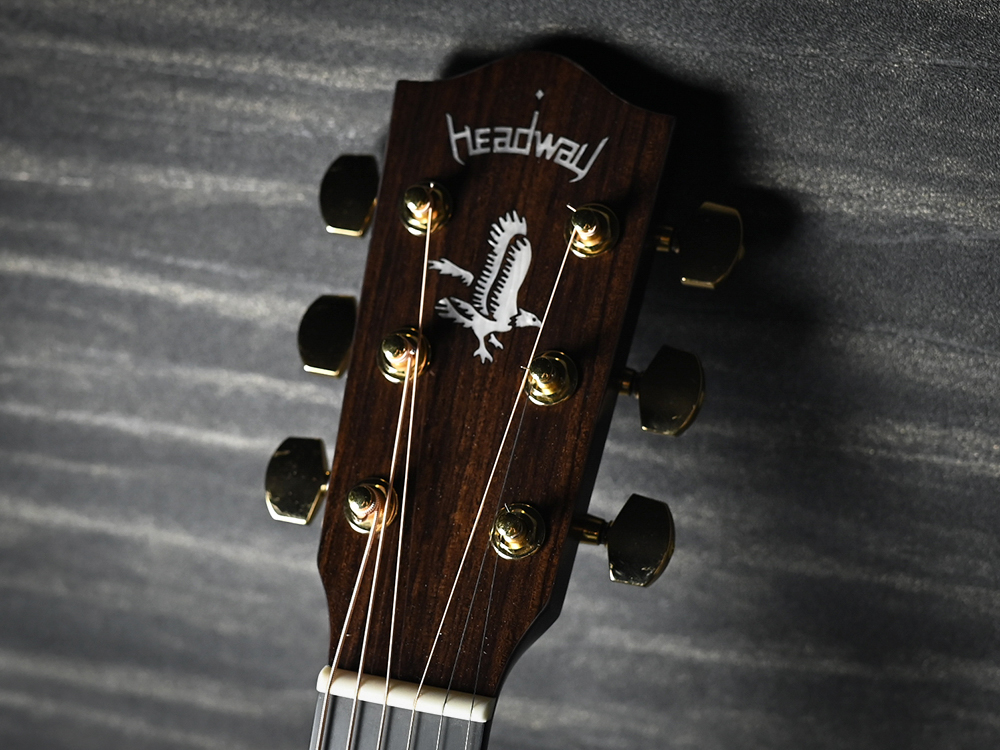
The Eagle Symbol and Crown Logo
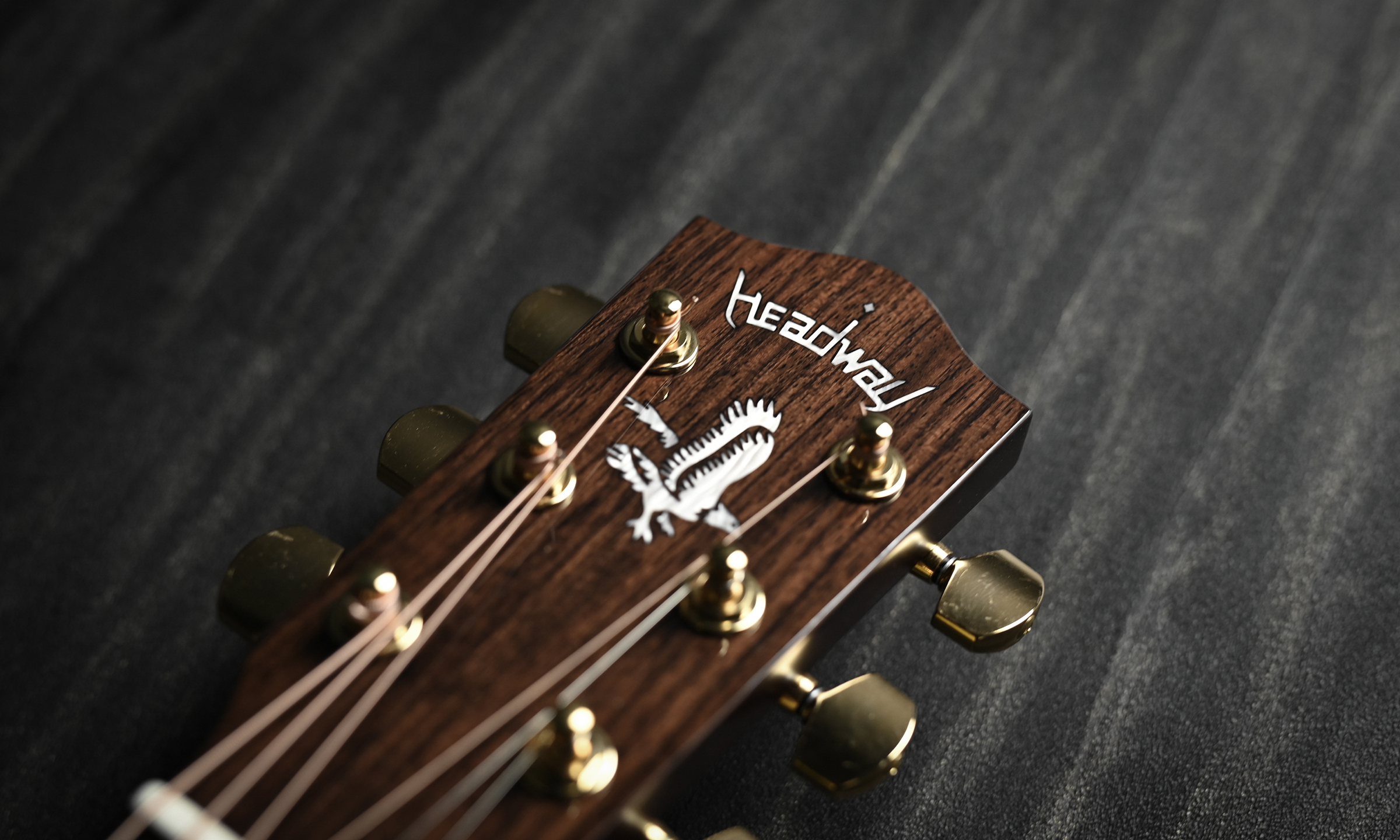
The brand logo is inspired by the eagle, the king of the skies, and features the “Headway Crown Logo” design, which symbolizes royalty. Headway has reimagined the “Eagle”, a symbol the brand has used since its founding. Capturing a moment of the eagle spreading its wings wide and soaring through the vast sky, the design evokes the image of soaring into a new era.
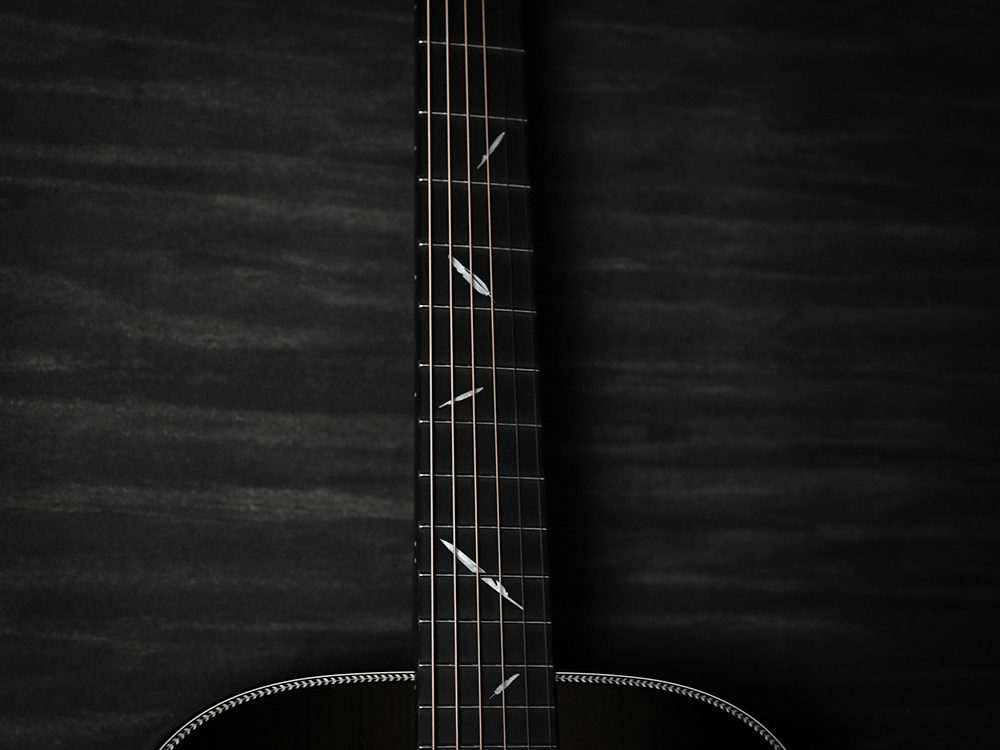
Feather Inlay
The fingerboard features a design depicting eagle feathers in flight. Eagle feathers are said to show the path ahead and help propel one into the future; this design expresses our hope for a fresh start—both for Headway and for everyone who picks up these models.
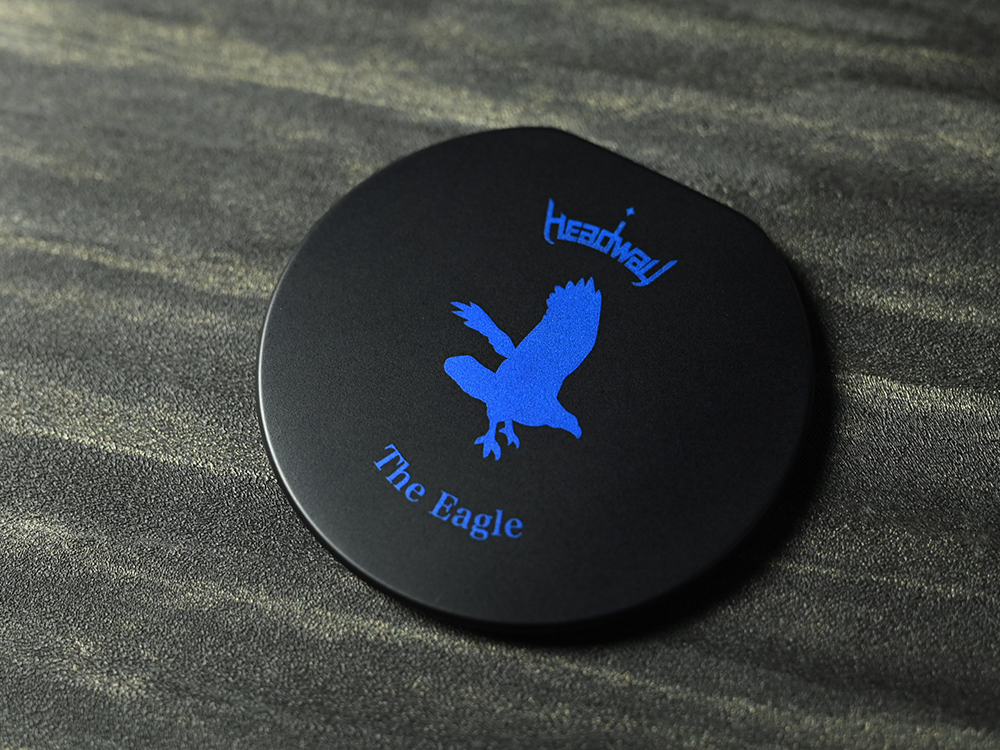
Soundhole Cover
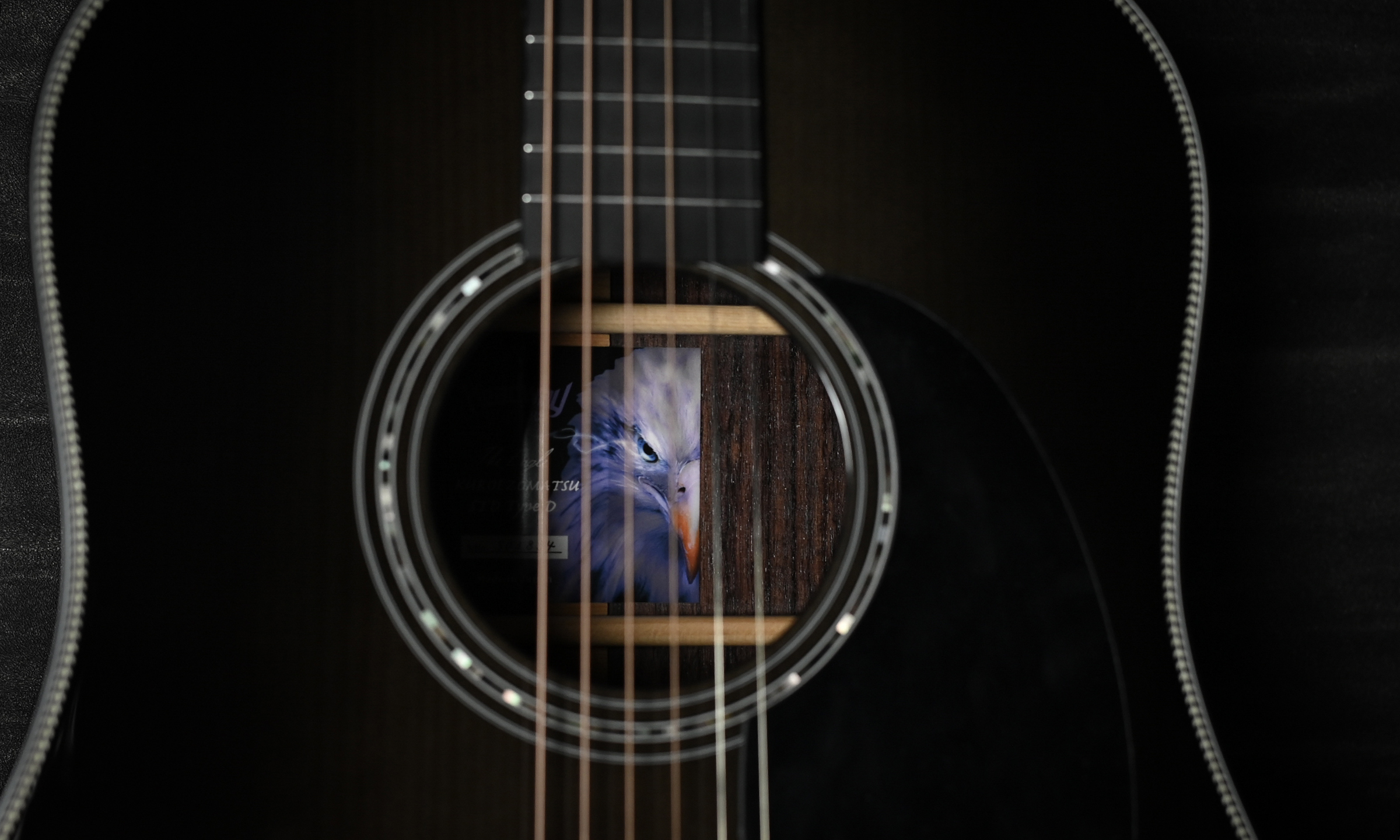
The soundhole cover helps maintain humidity inside the body and reduces feedback. It features a design symbolic of “The Eagle”, giving it a presence befitting the majestic Eagle.
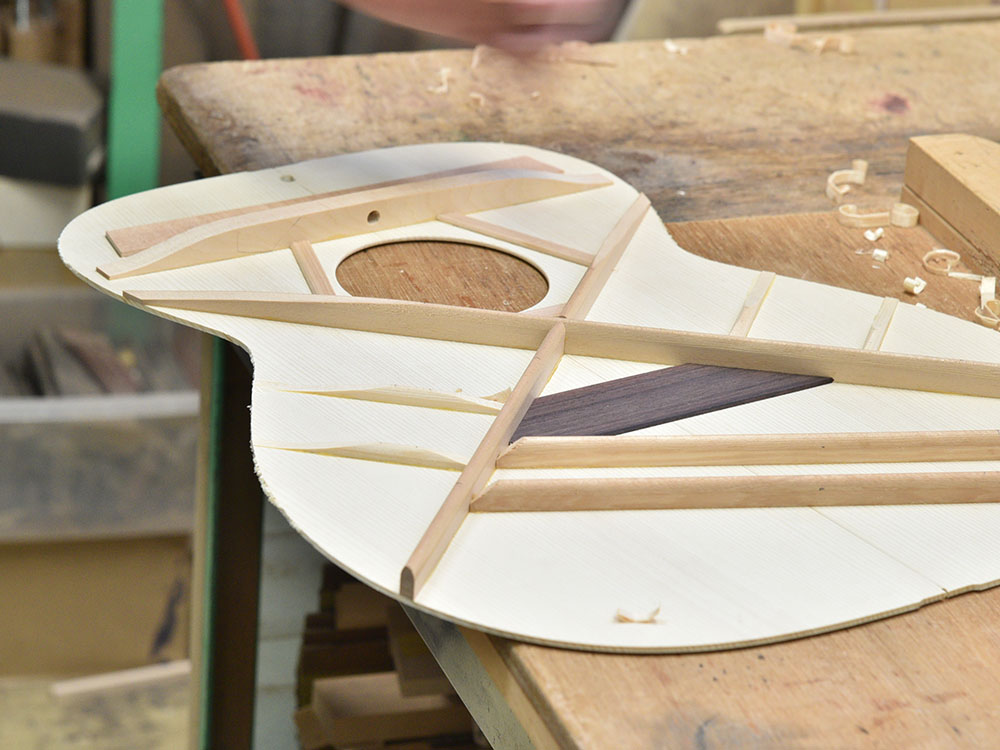
『Mid Point Shifted X Bracing』
Based on the standard bracing that Momose has used since Headway’s inception, custom builders Yasui and Furihata incorporated modern adaptations and took on the challenge of redesigning it, the result is the ‘Mid Point Shifted X Bracing’ developed specifically for The Eagle.
Additionally, the “Shallow Scalloped” specification, which features shallower bracing cuts than usual, had previously been used exclusively on Momose’s Custom Shop models, but has now been adopted as the standard specification for The Eagle model. It delivers a well-defined tone with clear articulation for each note, combined with a resonant body resonance in the low end, all wrapped in harmonics to create a well-balanced sound. While staying true to the traditional Headway sound, it also hints at new possibilities for the brand.
Headway’s ExpertiseMeticulous Design
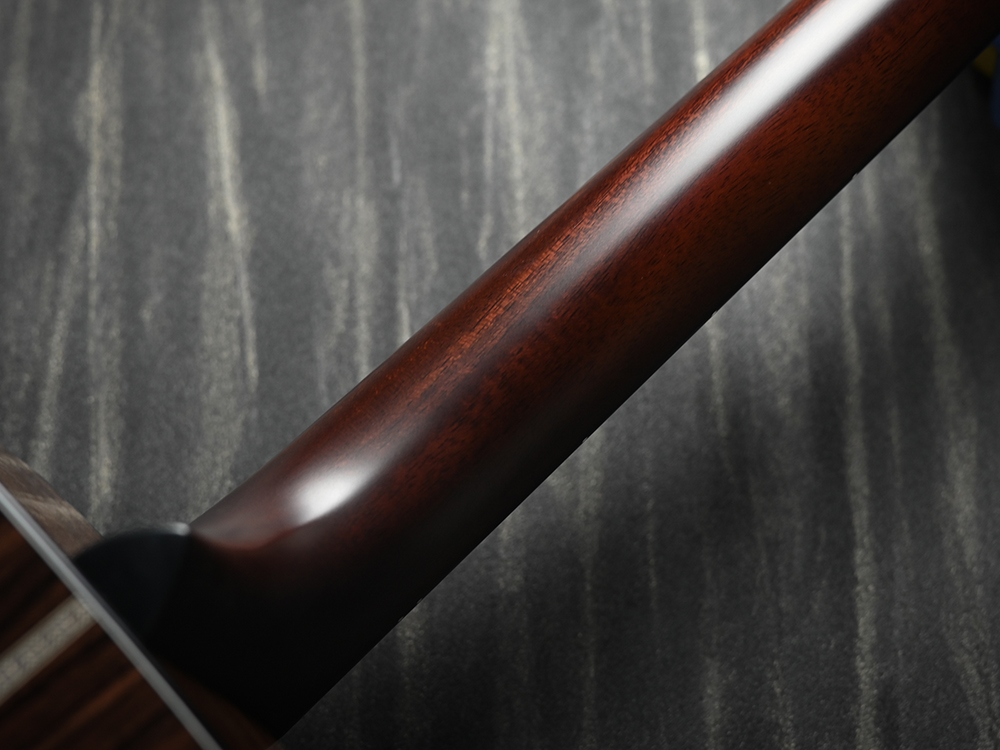
The “Dovetail” Joint: Precision Determines the Sound
The dovetail joint provides a large contact area, producing a rich tone that makes the body and neck sound as if they were carved from a single piece of wood. Thanks to its high structural strength, issues such as neck bows are unlikely to occur, ensuring the stability that allows you to continue playing for a lifetime and enjoy the evolution of the instrument’s sound.
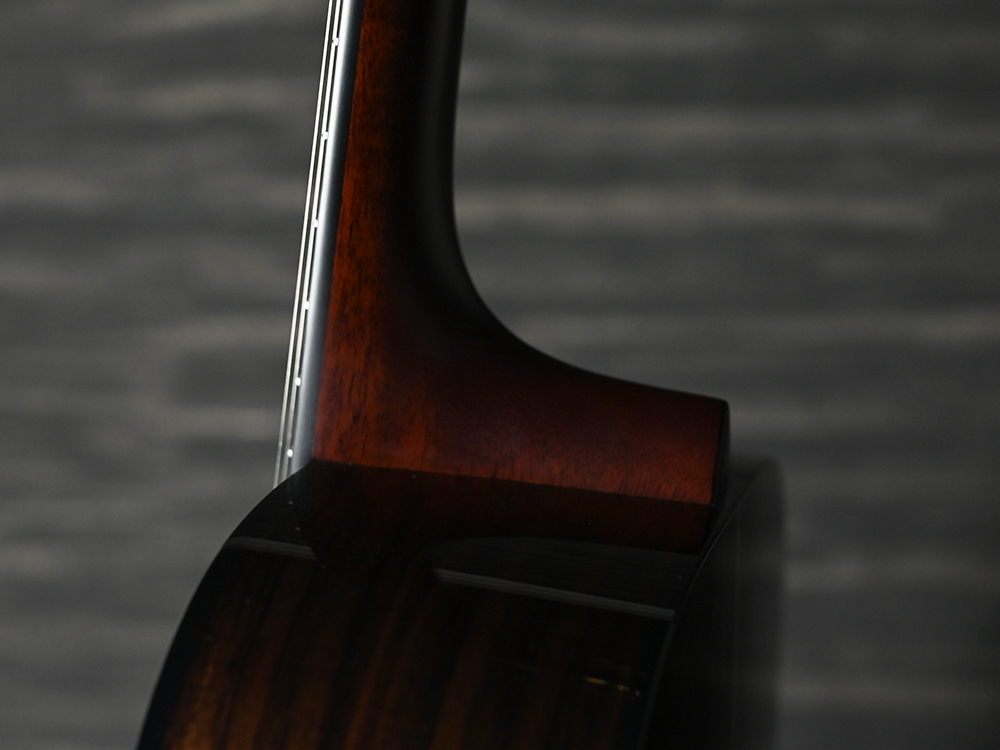
“Post-processing” assembly Ensures High-Precision Construction
The body and neck are painted separately and then joined using the dovetail joint method. This method of joining the parts after painting is called “post-processing” assembly. By adopting post-processing assembly, it is possible to observe the slight movement that occurs in both the body and neck during the painting process and make fine adjustments to the joint angle before assembling them. Since this method allows for the determination of the optimal neck angle relative to the bridge, it makes it easier to set the correct saddle height and string action, thereby contributing to improved playability.