










2026 “Sakura × Autumn Leaves” models that feature the Four-season Sakura of Obara as its motif
The “Four Seasons Sakura”-themed cherry blossom guitar, a limited-edition fall model whose production began in 2021, is back again this year.
This model was developed based on the “Shiki-zakura” (Four-season Sakura) in the Obara district of Toyota City, Aichi Prefecture, which is known for the rare natural phenomenon of Sakura trees blooming during the autumn foliage season.
The Four-season Sakura are known for blooming twice a year, in spring and fall. And in the fall, in particular, it creates a magical landscape where visitors can enjoy both the autumn foliage and the cherry blossoms at the same time.
By incorporating that beautiful contrast and ethereal charm into the guitar’s design, we’ve created a piece that evokes the changing seasons yet can be enjoyed year-round.
From the selection of wood to the coloring and design, every detail expresses the beauty of the four-season cherry blossom.
About Four-Season Sakura
The Four-Season Sakura is a variety of cherry tree that blooms from fall through winter. While cherry blossoms are strongly associated with spring, there are actually tree species that continue to bloom even after the weather turns cold. The best part about the Four-Season Cherry is that you can enjoy it at the same time as the fall foliage.
We chose the Four-Season Sakura as our autumn motif so that you can always feel close to the scenes created by Japan’s four seasons, scenes that never fade. Additionally, the distinctive inlay designs were created based on materials provided by the Toyota City Obara Tourism Association, which takes care of the Four-Season Sakura trees in Obara.
Lineup
Aska Team Build Series
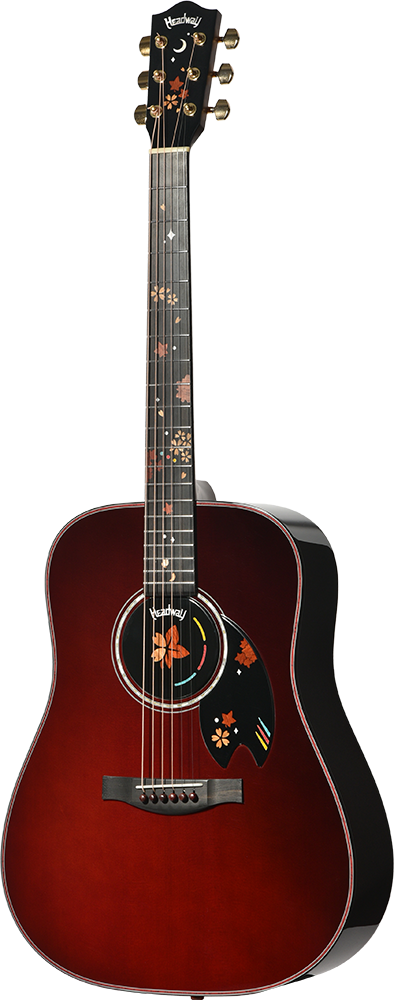
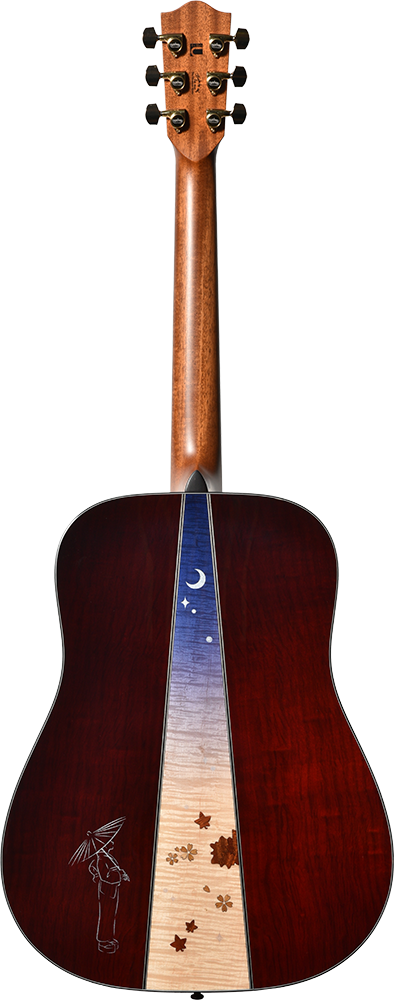
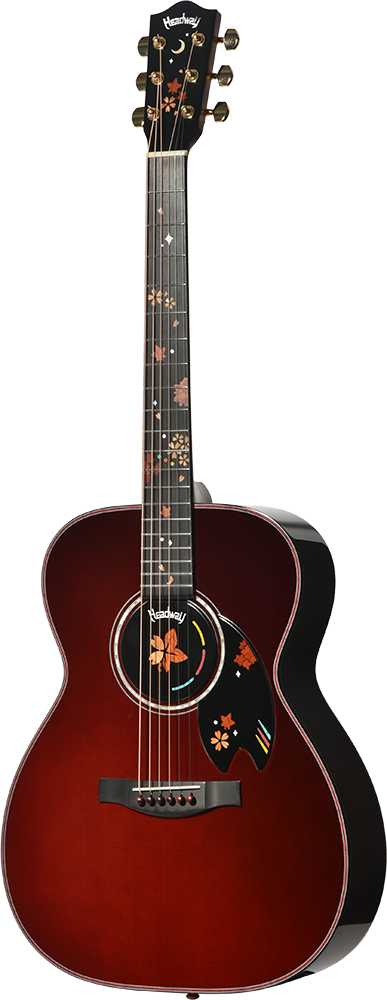
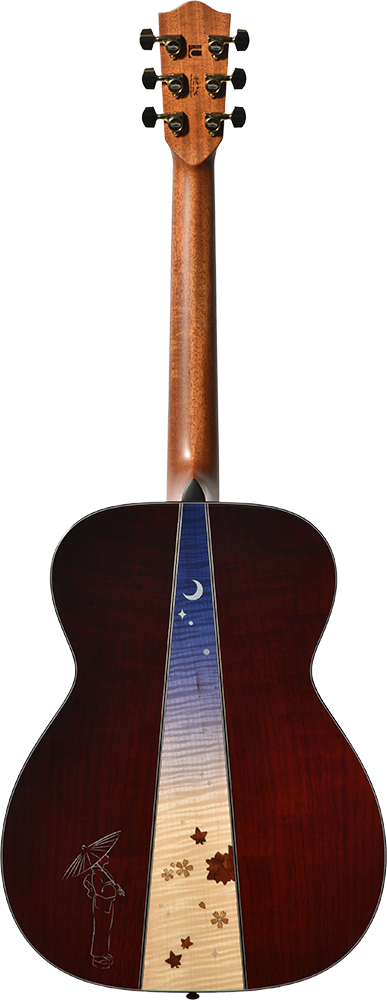
Lineup
Aska Team Build Series
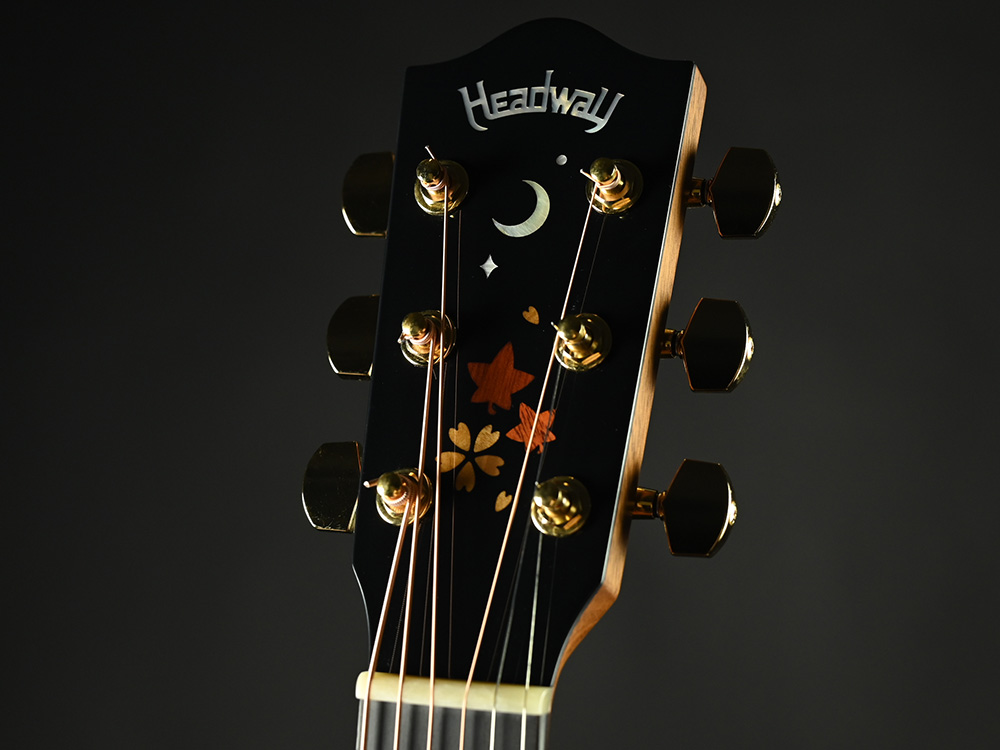
A scene of four-season Sakura, autumn foliage, and the moon illuminating the night sky
The 2026 Four-season model is designed around the theme of “the night sky.” The top of the headstock features a scene of Four-season Sakura blossoms and autumn foliage glowing under a moonlit night, setting the stage for a picturesque autumn evening.
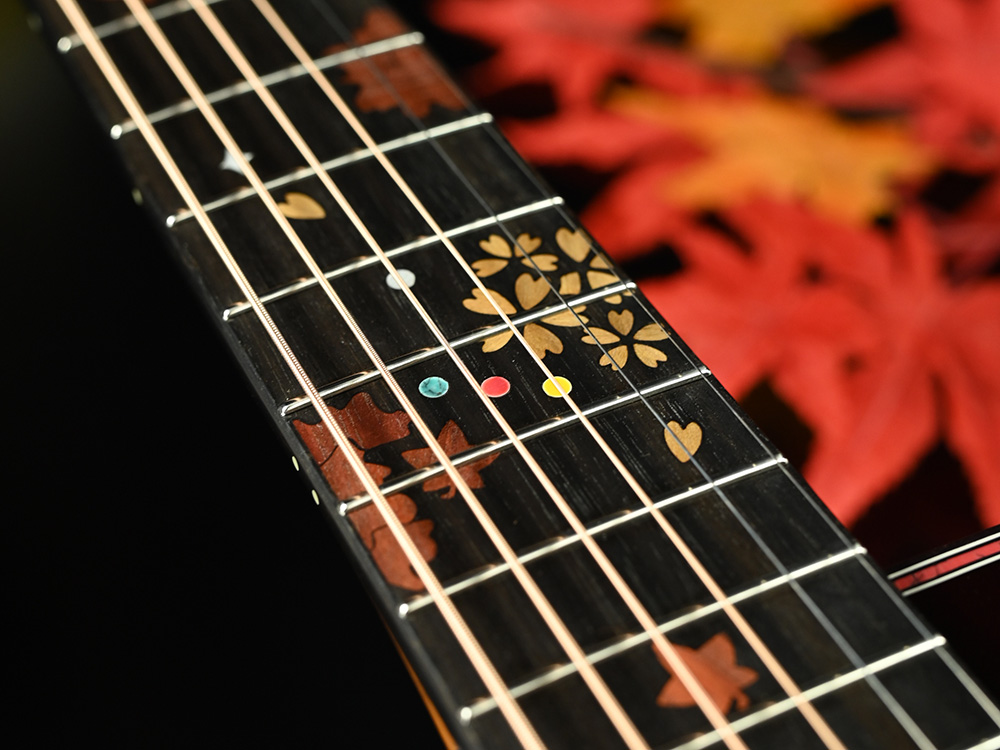
Our Commitment to Using Four-season Sakura Wood
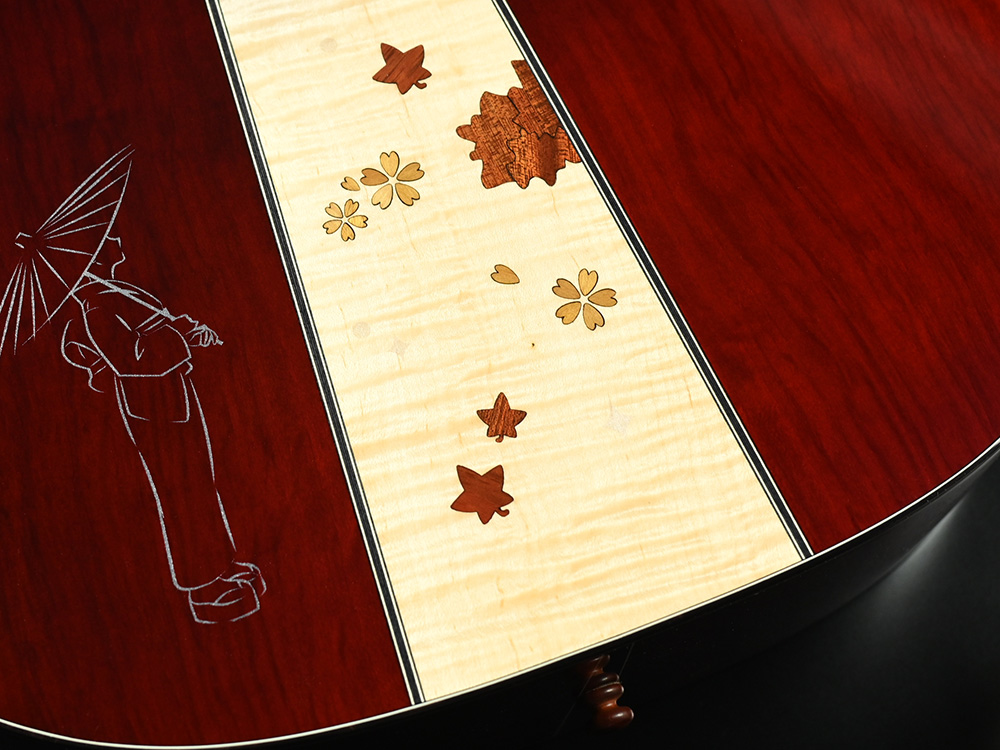
The Sakura-themed inlay is made from actual branches from Four-season Sakura trees, which were donated by the Obara Tourism Association after the trees were trimmed. While we have often used local Sakura wood for the bodies of our regional Sakura models in the past, our approach to the Four-season Sakura models has primarily focused on incorporating it into the design itself. “Is there a way we can actually use Four-season Sakura wood somewhere?” It was with this thought in mind that the inlay crafted from the donated branches became a design element that breathes life into the very essence of the Four-season Sakura grown in Obara.
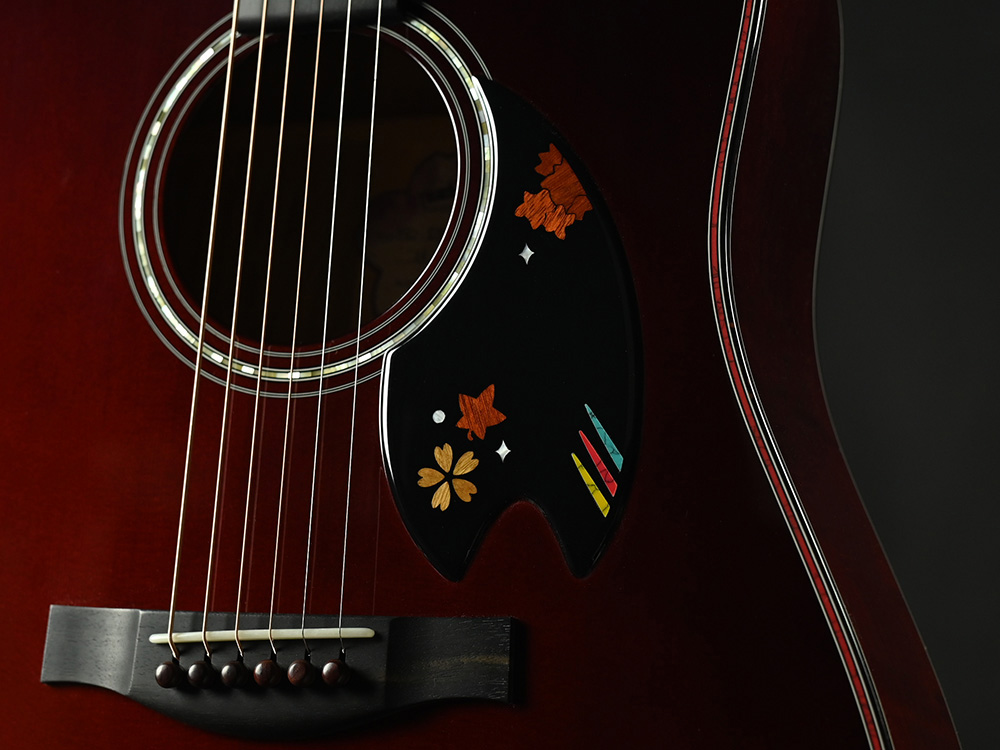
Depicting the lighting that illuminates the Four-Season Sakura Blossoms
The pickguard features a design depicting the Four Seasons Cherry Blossoms and autumn foliage illuminated by the colorful lights of the city. Unlike the Four Seasons Cherry Blossoms seen under the soft sunlight of day, each petal of the illuminated blossoms stands out more vividly and fantastically at night. The design captures a one-of-a-kind scene created by combining the natural landscape with the artificial lighting crafted by human hands.
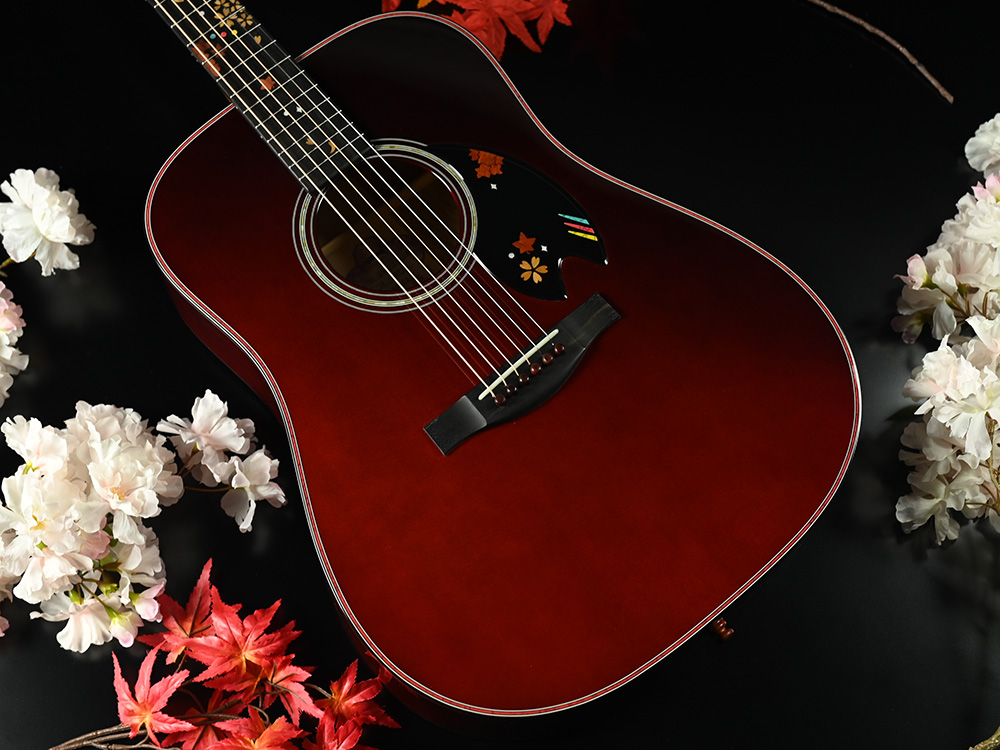
“Four-season Sakura Night Gradation”: The First-Ever Nightly Sakura Shikizakura Model
“Yozakura” (Nightly Sakura) is a popular color in the Sakura family. “Shikizakura Night Gradation” is a color created by combining Yozakura with Shikizakura (Four-season Sakura) for the first time. It captures the hues of the Four-season Sakura red blending into the deep night sky.
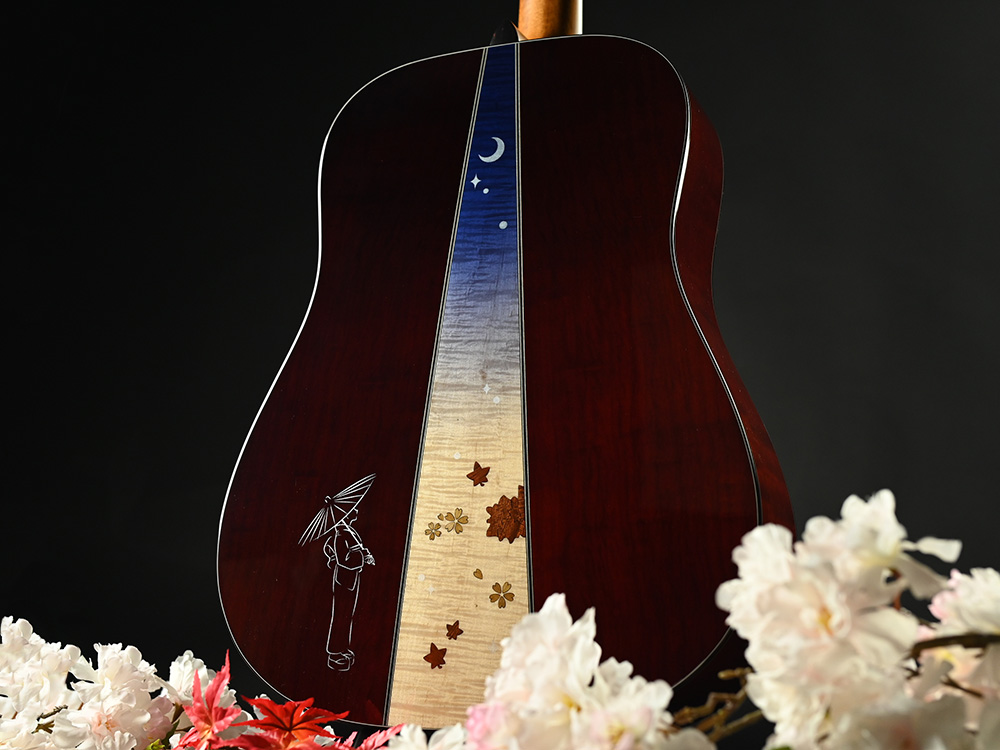
A woman holding a Japanese umbrella, gazing up at the Four-Season Sakura Blossoms and autumn foliage against the silent night sky
The body back features a design of a woman holding a traditional Japanese umbrella, gazing up at the Four-season Sakura cherry blossoms and autumn foliage under a deep moonlit night. The scene she gazes upon during this quiet, peaceful moment of the night evokes a sense of the changing seasons.
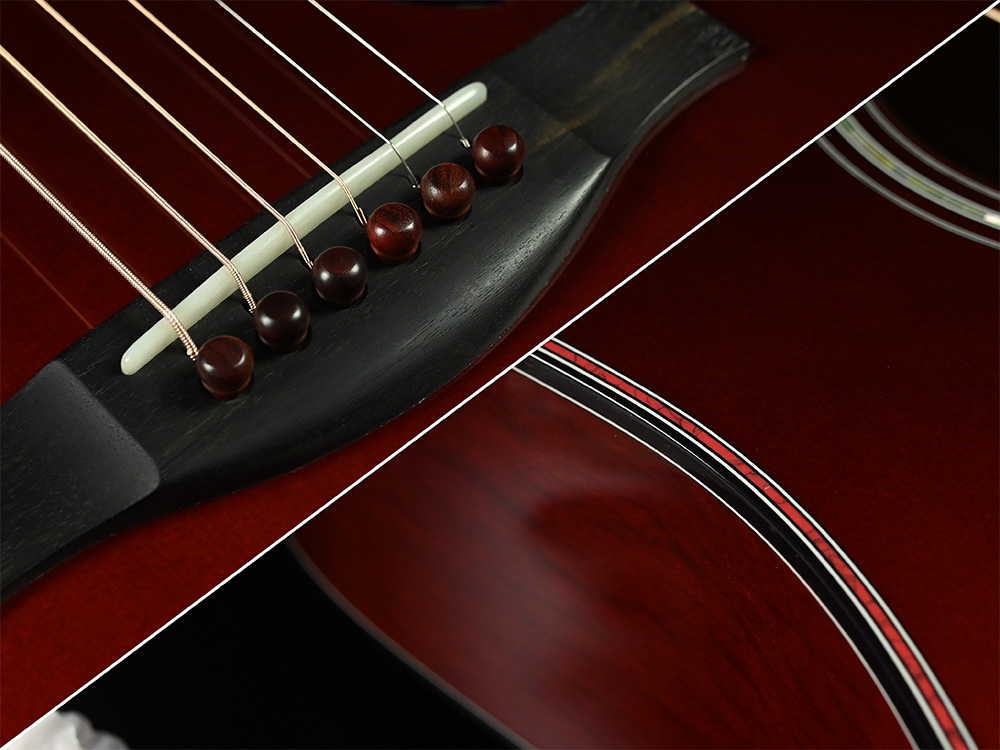
Red-themed decorations inspired by the Four-season Sakura
One of the essential colors for the Four-season Sakura model is “autumn red.” For the 2026 model, we are carefully selecting materials to incorporate red into various decorative elements throughout the instrument. For the body binding, we have chosen a red material featuring a turquoise-gem pattern. We have also incorporated custom-made bridge pins and end pins crafted from red wood, ensuring that the theme color, [red], is present in every detail.
Specs
Aska Team Build Series
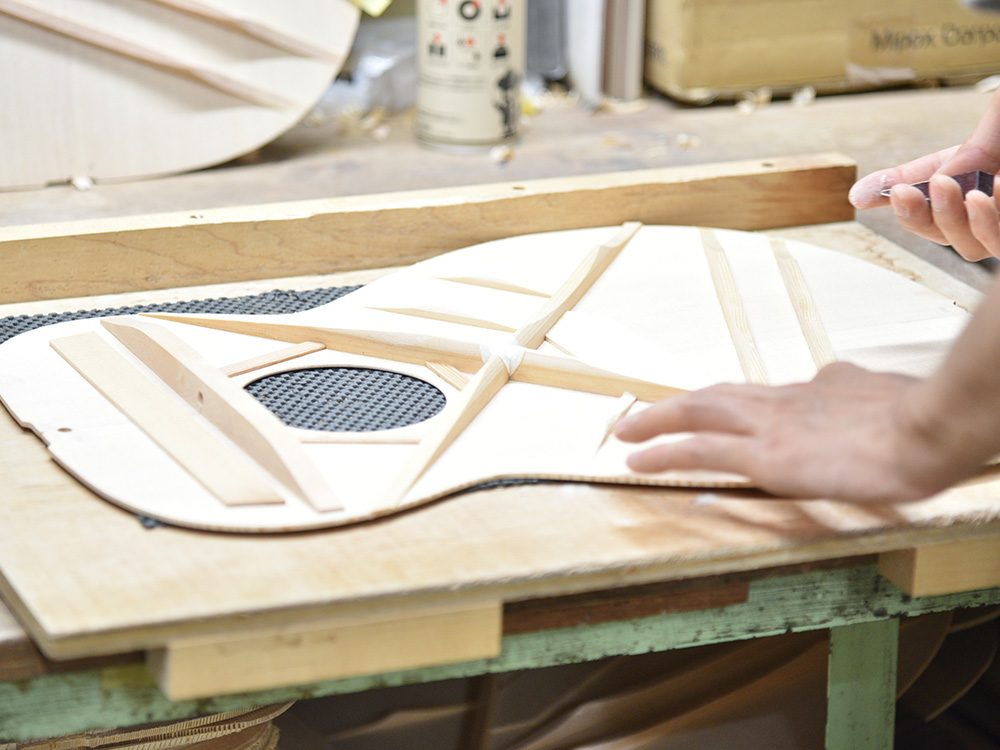
Semi-Forward-Shifted Bracing
Headway Master Builder Momose adopted the “semi-forward bracing” layout, the design that has proven most rewarding based on his experience building guitars.
Compared to the forward-shift bracing, this design positions the intersection of the X-bracing approximately 5 mm closer to the bridge, and its stability in terms of strength is a major appeal. The result is a sound that retains the softness and harmonic richness of forward-shift bracing while still giving a strong response even to the most delicate and bright touches.
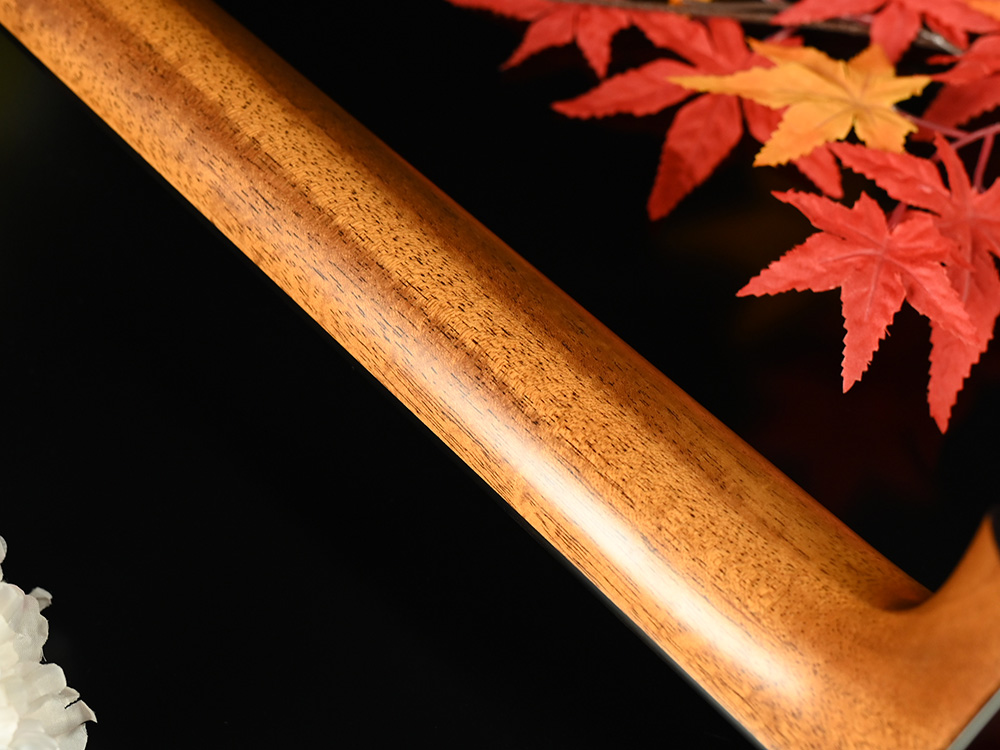
Extra Slim U Neck
Featuring the “Extra Slim U Neck”, which prioritizes thinness and redefines the traditional image of Headway necks. While maintaining the stability that is a hallmark of Headway necks, rigidity is further enhanced by the “High-Strength Neck” design, which incorporates carbon bars. These carbon bars not only improve stability but also minimize unwanted neck flex, allowing string vibrations to be transmitted smoothly to the top of the body, thereby enhancing expressiveness in the high register.
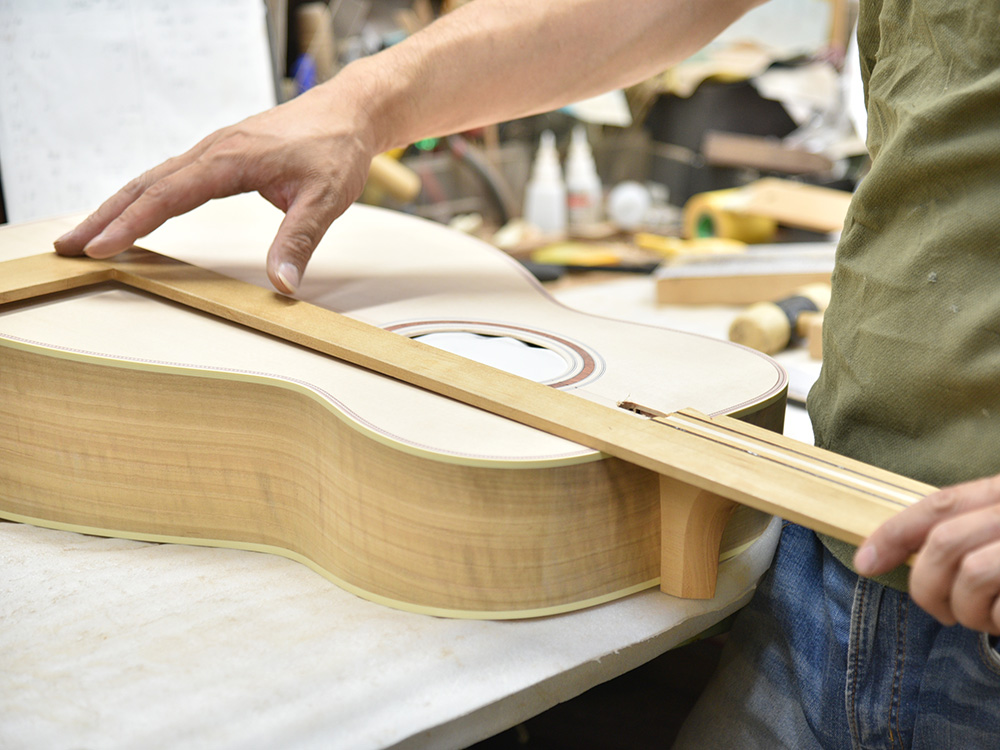
High-Precision Neck Joint
After painting the body and neck separately, we use a jointing method known as the traditional “dovetail joint” technique.
In recent years, there has been an increase in models featuring simpler joints that use bolts and the like; however, dovetail joints offer a larger contact area, and when finished with high precision, they produce a rich resonance that makes the neck and body sound as if they were carved from a single piece of wood. The protrusion at the joint—known as the “tenon”, is made slightly larger than usual and is joined using a specialized jig. This method, in which the joint is assembled after the instrument has been finished, is called “post-processing finish.”
Yamazakura wood used for the back & sides
Yamazakura (mountain Japanese cherry wood) harvested in Japan is used as the material for the back & sides.
Its exceptionally hard and dense character delivers a focused, pronounced low-midrange response, balanced by the sweet, distinctive tonal qualities unique to sakura wood.
Lineup
Standard Series
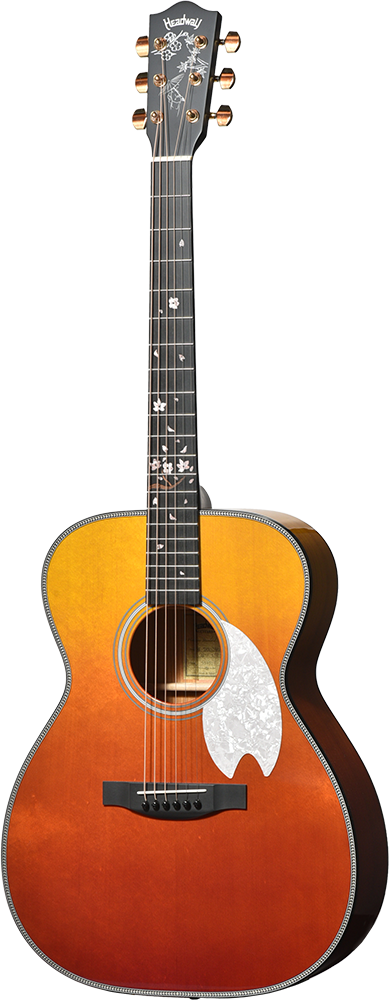
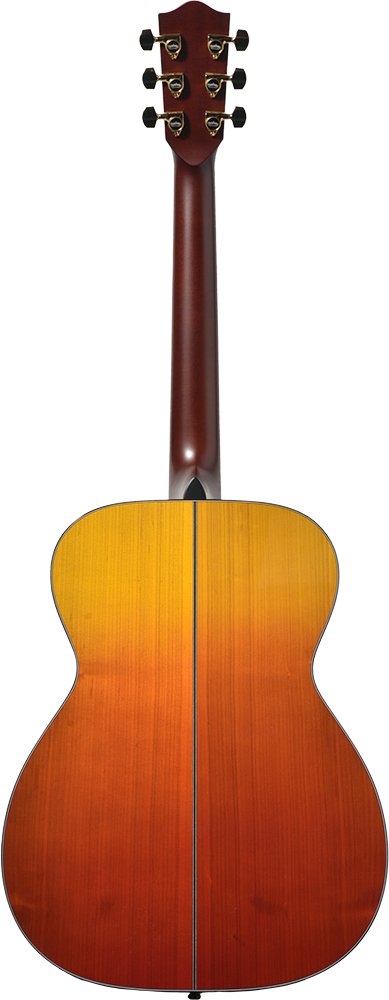
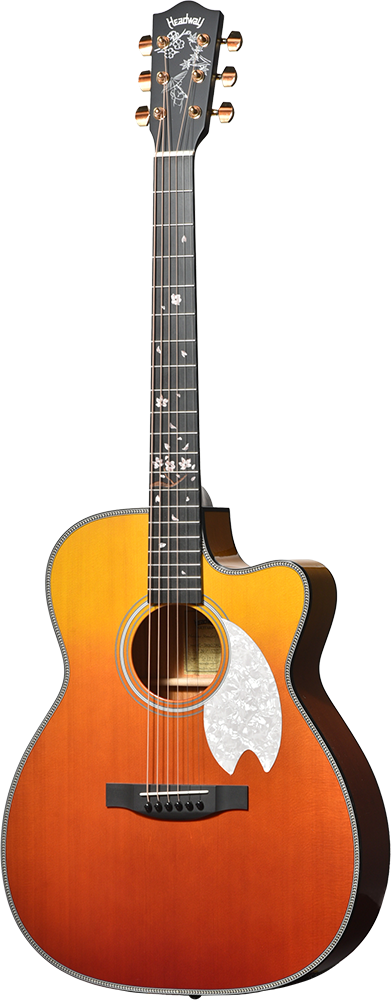
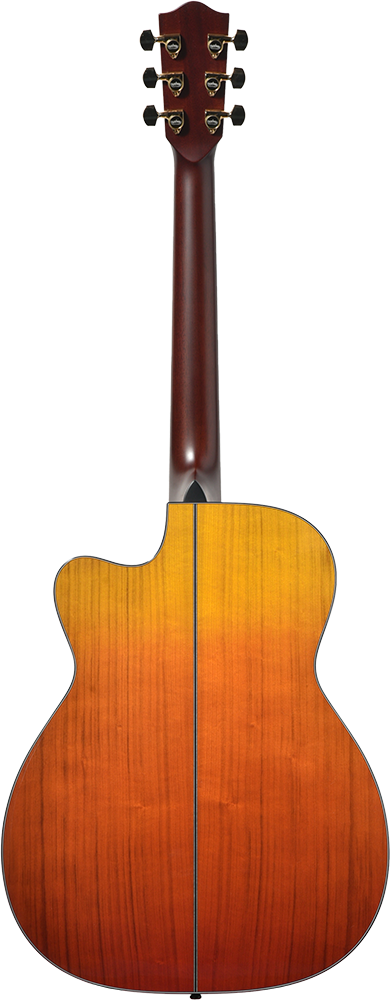
Design
Standard Series
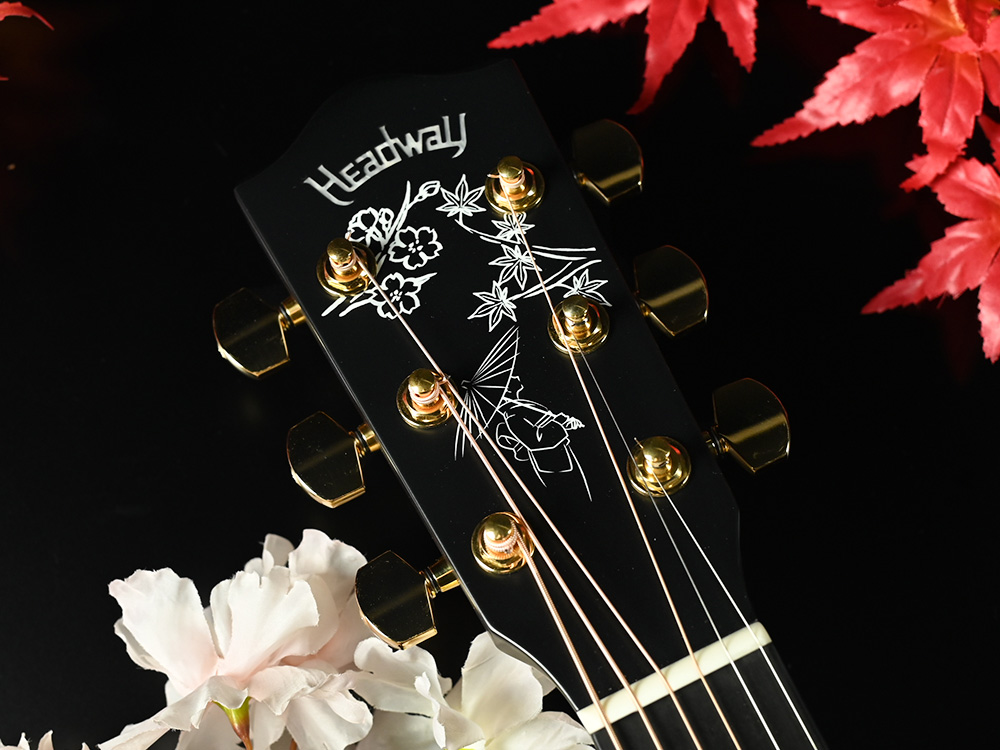
A woman holding a Japanese umbrella, looking up at the four-season cherry blossoms and autumn foliage
This design, inspired by brush-stroke calligraphy, depicts a woman holding a Japanese umbrella as she looks up at the four-season cherry blossoms and autumn foliage. By using brushstroke techniques in the painting process, the design captures the feel of actual hand-written calligraphy.
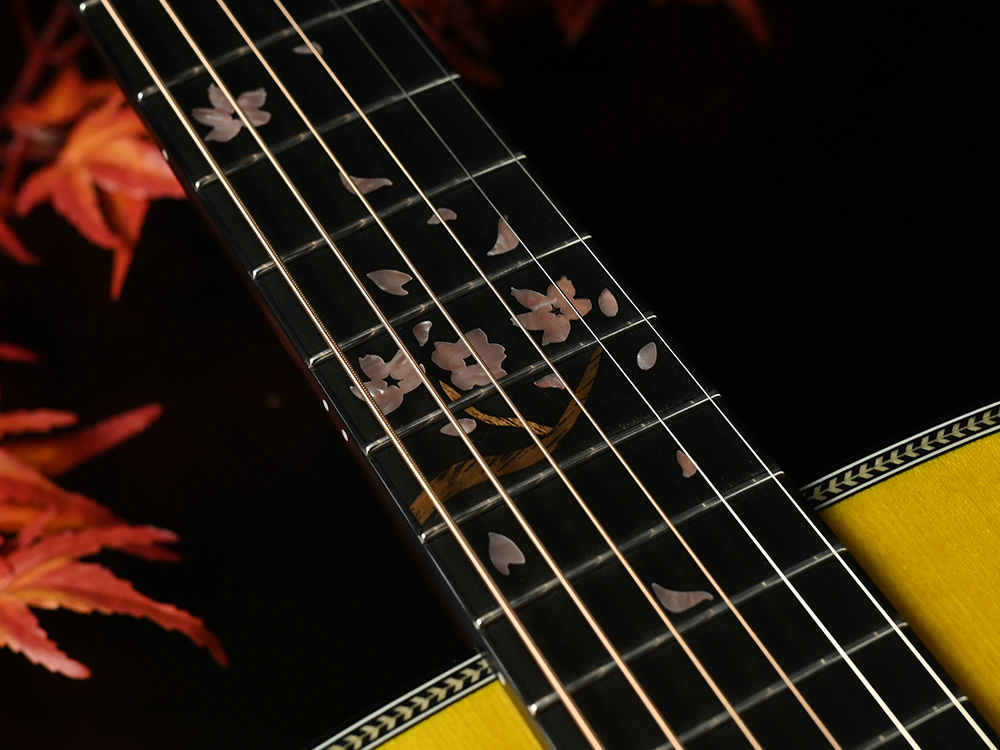
Design of fluttering Sakura blossoms
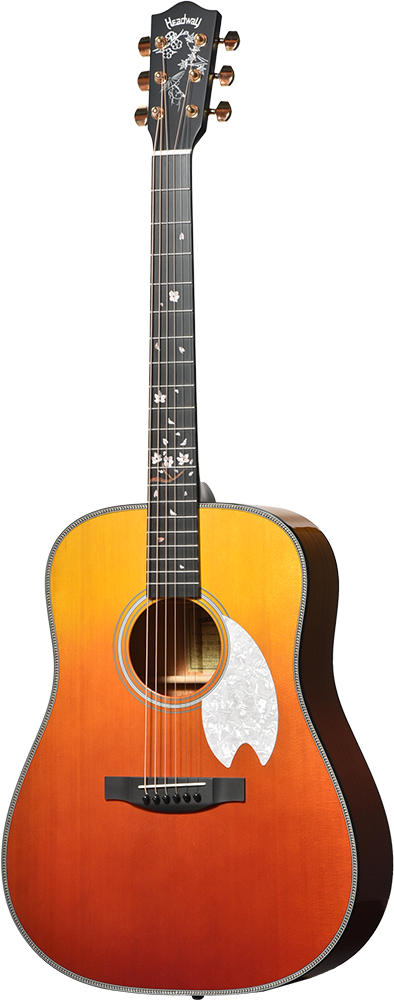
Continuing the flow from the headstock, the fingerboard inlays feature a design of fluttering Sakura blossoms. By incorporating details that evoke a traditional Japanese atmosphere, such as undulating branches, into every detail, the instrument achieves a cohesive overall look.
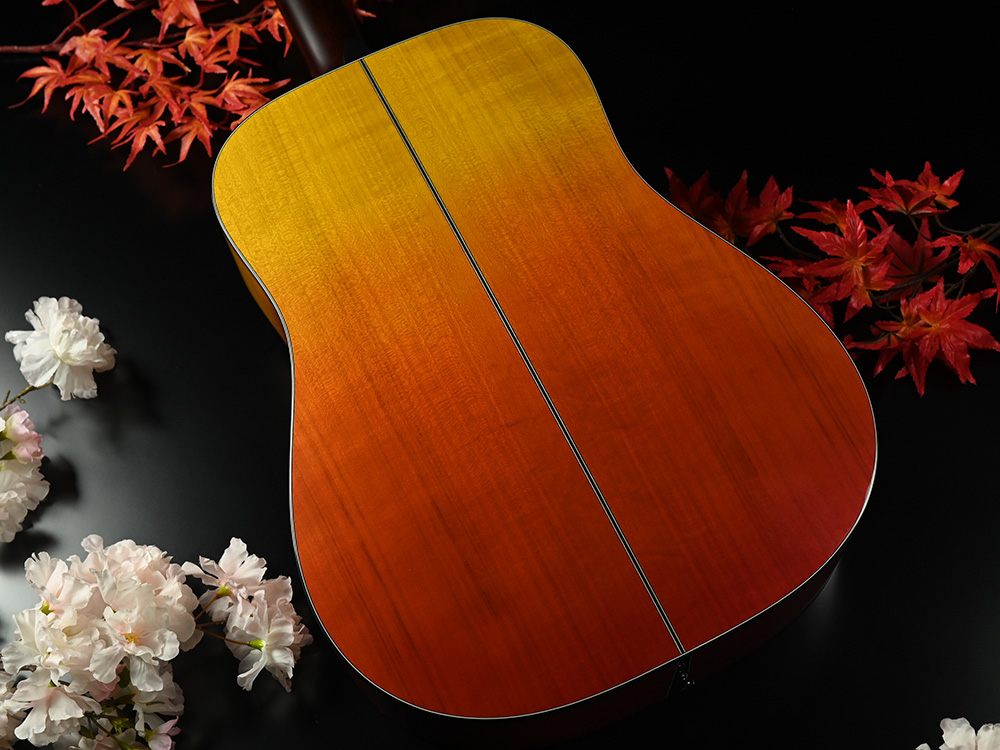
Autumn colors paired with the pink of Sakura in pearl tones -Autumn Pearl Gradation-
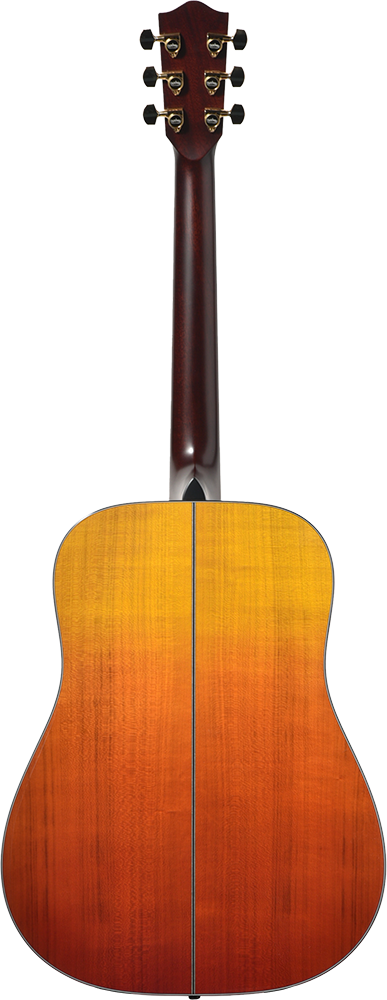
The body features a gradient that evokes the atmosphere of autumn foliage, overlaid with a pink pearlescent finish inspired by the Four-Season Sakura trees. The finish, which changes its appearance depending on the viewing angle, creates a sense of luxury.
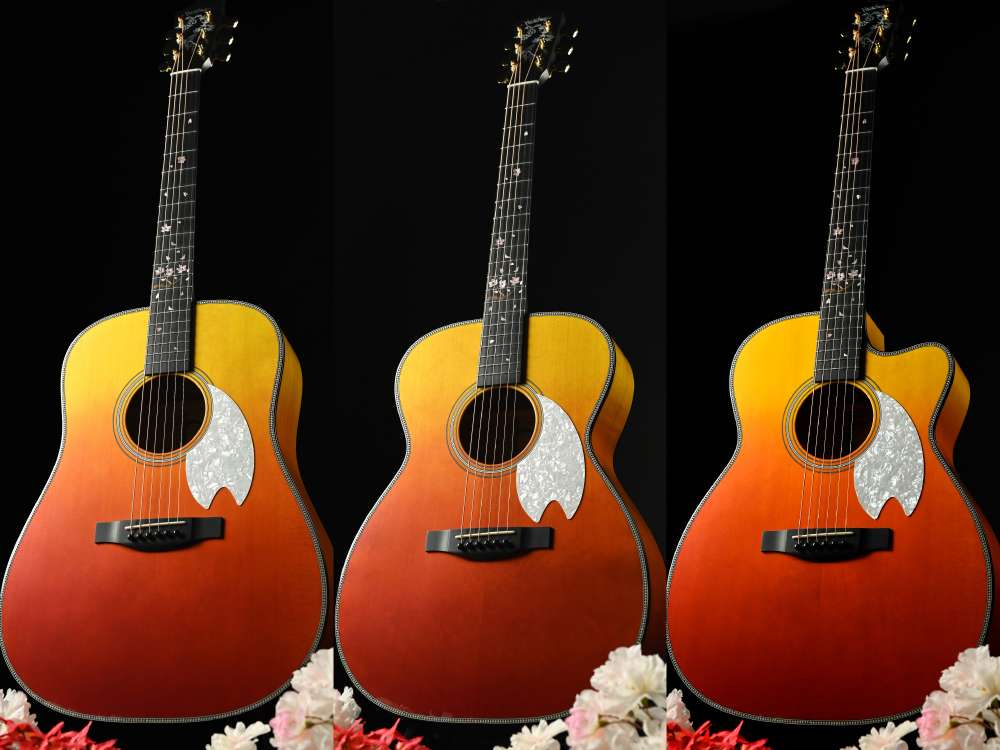
Three body shapes to suit your playing style
We manufacture three types of body shapes: the larger HD type, the compact HF type, and the HC type, which offers easy access to the higher frets. You can choose the one that best suits your playing style: the HD type with its rich, resonant tone, the HF type with its responsive sound, or the HC type with its excellent tension and nuanced expression.
Specs
Standard Series
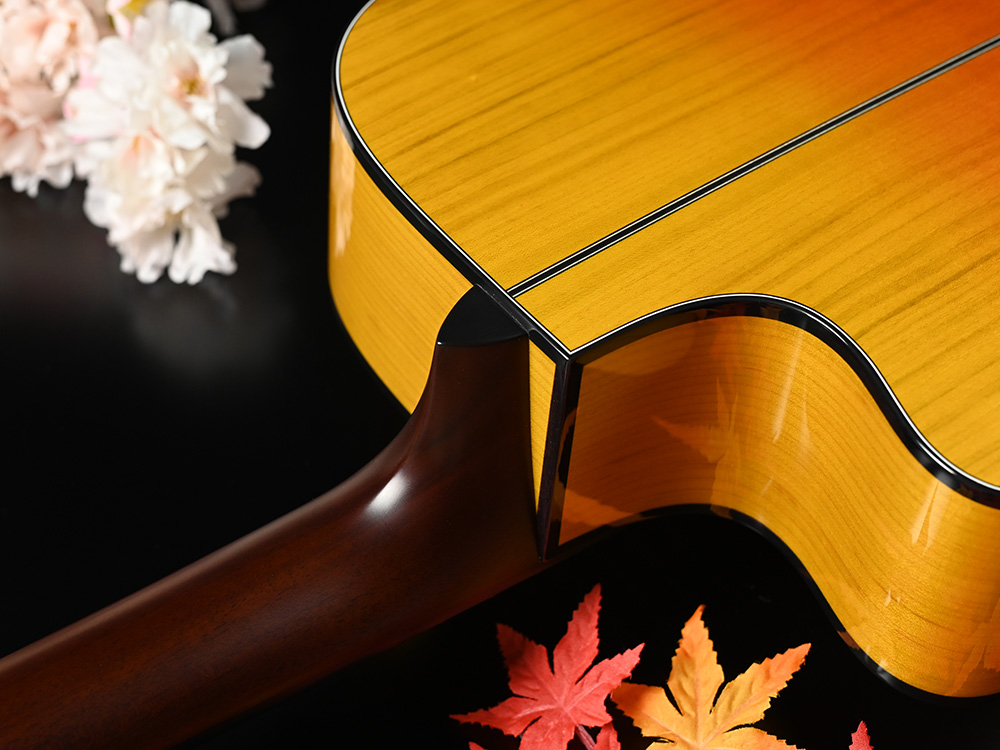
High-Precision Neck Joint
After painting the body and neck separately, we use a jointing method known as the traditional “dovetail joint” technique.
In recent years, there has been an increase in models featuring simpler joints that use bolts and the like; however, dovetail joints offer a larger contact area, and when finished with high precision, they produce a rich resonance that makes the neck and body sound as if they were carved from a single piece of wood. The protrusion at the joint—known as the “tenon”, is made slightly larger than usual and is joined using a specialized jig. This method, in which the joint is assembled after the instrument has been finished, is called “post-processing finish.”
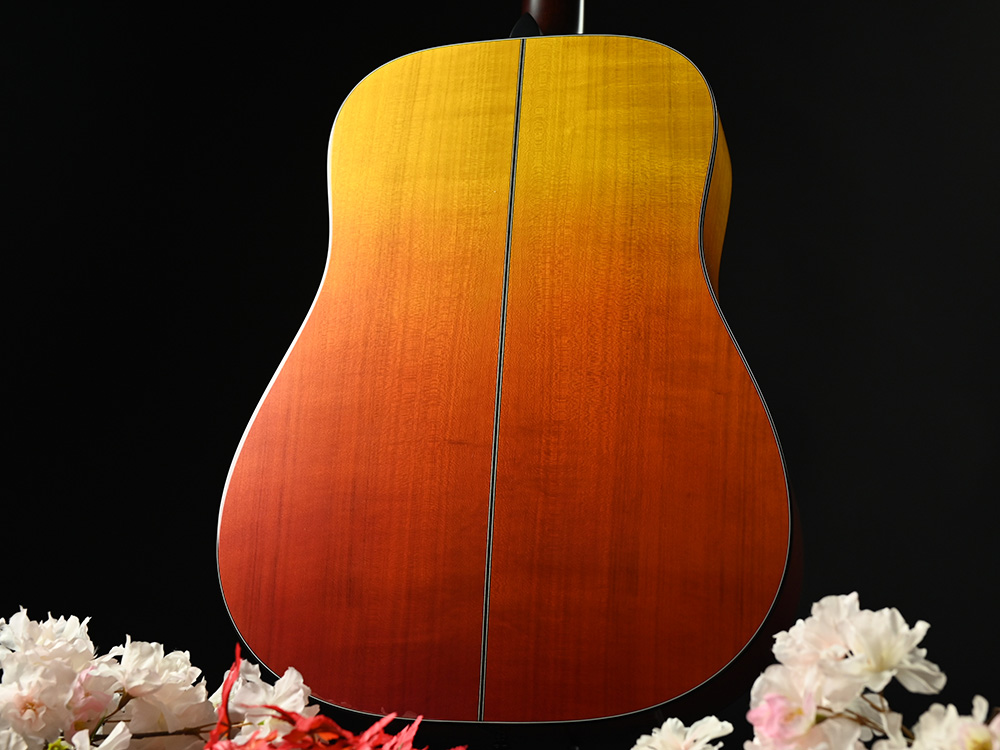
Yamazakura wood used for the back & sides
Yamazakura (mountain Japanese cherry wood) harvested in Japan is used as the material for the back & sides.
Its exceptionally hard and dense character delivers a focused, pronounced low-midrange response, balanced by the sweet, distinctive tonal qualities unique to sakura wood.